




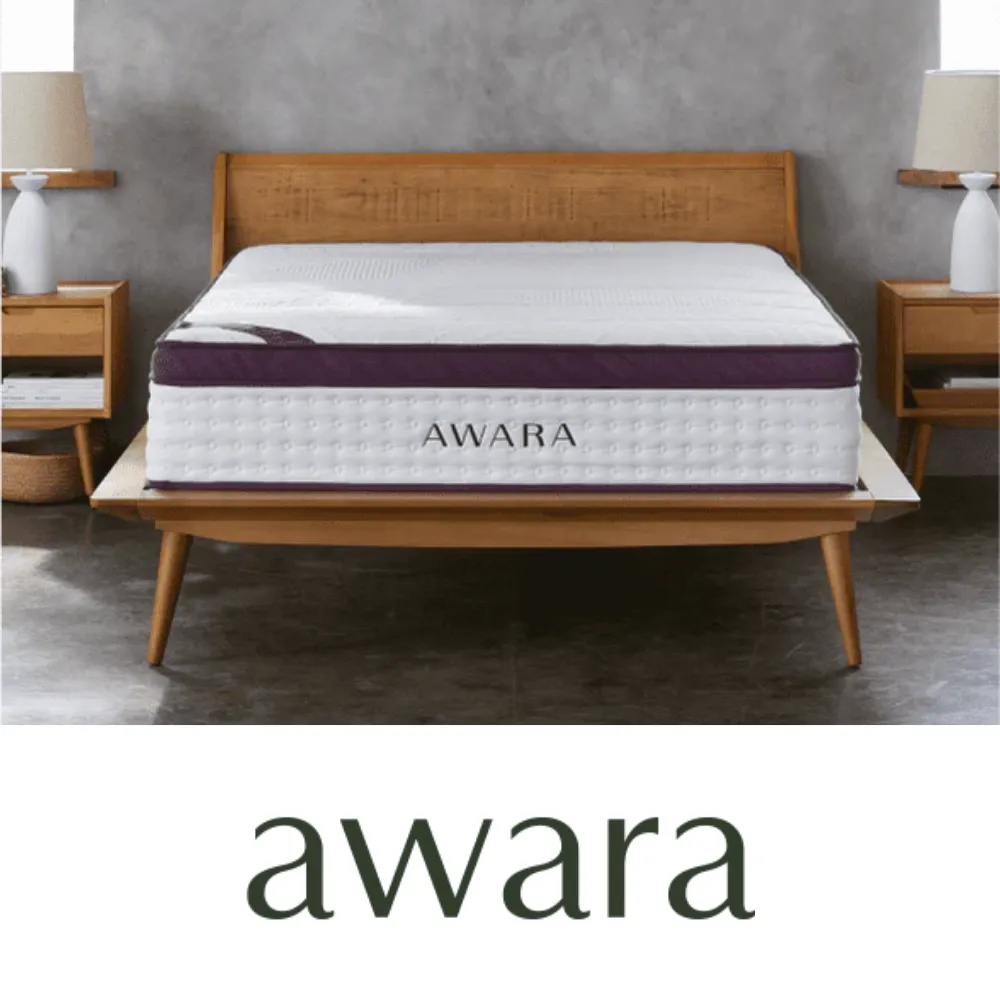
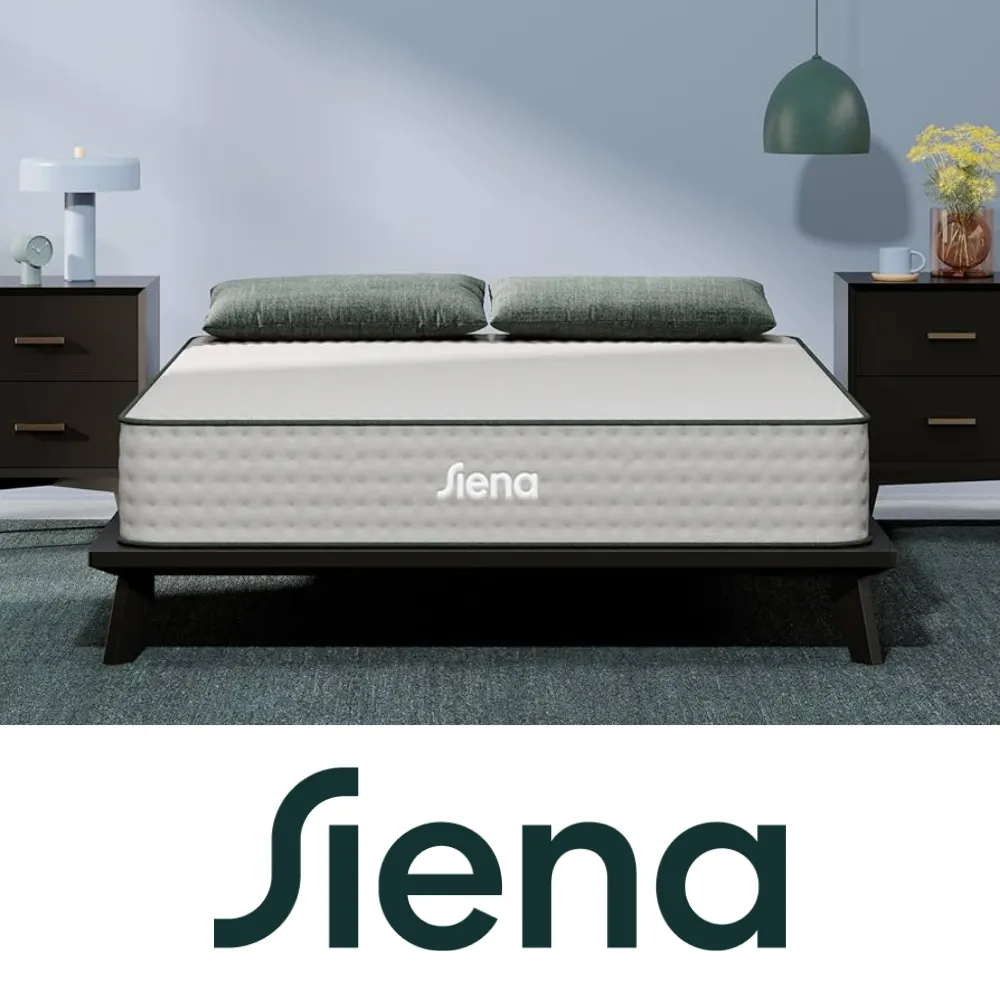

The Design of Hybrid Mattresses
A hybrid mattress is a multi-layer sleep system designed to deliver the best qualities of different bedding types. Traditional innerspring beds provide excellent bounce and air circulation but lack pressure relief. On the other hand, all-foam mattresses offer deep contouring relief but sleep warm and can leave you feeling stuck.
Hybrids solve this dilemma by combining a supportive core of pocketed coils with comfort layers of memory foam, polyfoam, latex, or natural wool. This results in a balanced mattress that contours to your joints while remaining supportive, bouncy, and cool. It represents a major evolution in sleep comfort, accommodating a wide variety of body weights.
Furthermore, hybrid mattress layout allows manufacturers to adjust the performance of individual layers. For example, they can place cooling gel memory foam near the sleeping surface to absorb body heat, followed by a transition foam layer that prevents you from feeling the steel springs beneath. This zoned structure provides both cushioned surface pressure relief and strong orthopedic support.
The Benefits of Combining Coils and Foams
By placing contouring foams on top of responsive steel springs, hybrids provide unique orthopedic advantages:
- Zoned support: Thick pocketed coils in the center prevent hip sag, while softer comfort layers cushion shoulders.
- Reduced pressure points: Foams distribute body weight, preventing joint friction and morning aches.
- Active responsiveness: Coils make it easy to change sleeping positions without straining back muscles.
These materials work in harmony: the springs provide the deep structural lift needed to protect the lumbar spine, while the foam layers conform to hips and shoulders to eliminate pressure build-up.
This custom construction is particularly helpful for couples with different body weights. While a pure foam bed can sag under a heavier partner and slope the mattress, pocketed coils flex independently. Each partner gets custom support without rolling toward the middle or transferring motion.
Cooling and Air Circulation Features
A major issue with traditional memory foam beds is heat retention. Foam contains microscopic pockets that trap body heat, raising your body temperature and causing sleep disruptions. This “sleeping hot” issue is the number one complaint among memory foam owners.
Hybrids address this issue by using an open-coil base. The coils create a hollow core that allows air to move freely, continuously circulating fresh air and wicking heat away. When paired with gel comfort layers, breathable organic cotton, or cashmere covers, hybrids ensure a cool sleep surface that prevents sweating.
Additionally, many hybrid models use perforated foams or open-cell latex comfort layers. These materials allow body heat to transfer downward into the coil chamber, where the natural movement of the springs pumps the warm air out through the sides of the mattress. This creates a self-ventilating system that maintains a fresh temperature all night.
How We Test and Rate Hybrid Beds
We evaluate hybrids using multiple tests. We check motion isolation by dropping weights on one side and measuring vibration transfer on the other, ensuring the pocketed coils isolate partner disturbances. If a model transfers significant motion, it receives a low rating in our couple-friendly metrics.
We also perform thermo-chamber testing to evaluate cooling, comparing hybrid models against standard foams. Finally, we measure pressure relief at critical joint points (shoulders and hips) and verify perimeter support stability using weighted compression systems, ensuring the bed delivers chiropractor-approved alignment.
Furthermore, we conduct longevity tests by rolling a heavy 240-lb cylinder across the mattress surface 10,000 times. This simulates a decade of sleep wear, letting us measure any changes in coil tension or foam compression. A hybrid mattress must show minimal sagging and retain its supportive bounce to be recommended as a durable, long-term sleep investment.
Edge Support and Border Stability
Good edge support is crucial for couples, edge sleepers, and those who sit on the side of the bed to dress. Standard foam beds can sag dramatically under edge weight, reducing the usable sleeping surface and creating a rolling-off feeling.
Hybrids feature thicker, heavy-gauge steel coils around the perimeter. This creates a sturdy border that prevents sagging, expanding the usable sleeping surface and making it easy to sit on the edge. This structural border stability is a hallmark of hybrid design, ensuring that you don’t feel like you are rolling off the bed.
Additionally, strong edge support is essential for mobility-impaired sleep users. A firm border provides a supportive platform to sit on when getting out of bed, reducing the physical strain on your knees and lower back. By maintaining its height and resistance under localized weight, the perimeter reinforcement makes transferring in and out of bed significantly safer and easier.
Frequently Asked Questions
What is a hybrid mattress?
A hybrid mattress combines a support core of pocketed coils with comfort layers of memory foam, polyfoam, latex, or natural materials. This design offers the contouring pressure relief of foam along with the support, breathability, and bounce of coils.
Do hybrid mattresses sleep cooler than memory foam?
Yes, hybrids sleep significantly cooler. All-foam beds can trap body heat, while hybrid models have an open coil core that allows air to circulate freely, continuously dispersing body heat and keeping the mattress fresh.
How long do hybrid mattresses last?
A high-quality hybrid mattress typically lasts between 8 and 12 years. The tempered steel pocketed coils provide excellent durability, preventing the deep body indentations and center sagging common in all-foam beds over time.
Do hybrid mattresses transfer motion between partners?
No, provided the hybrid utilizes individually wrapped pocketed coils. Because each coil is encased in its own fabric sleeve, it responds independently to pressure, isolating motion and preventing you from feeling your partner toss and turn.
What is the best bed frame for a hybrid mattress?
Hybrids require flat, rigid support. A platform bed, a solid foundation, or a slatted bed frame (with slats spaced no more than 3 inches apart) is ideal. Slats spaced wider than 3 inches can allow coils to slip through, causing sagging.